
Call Now
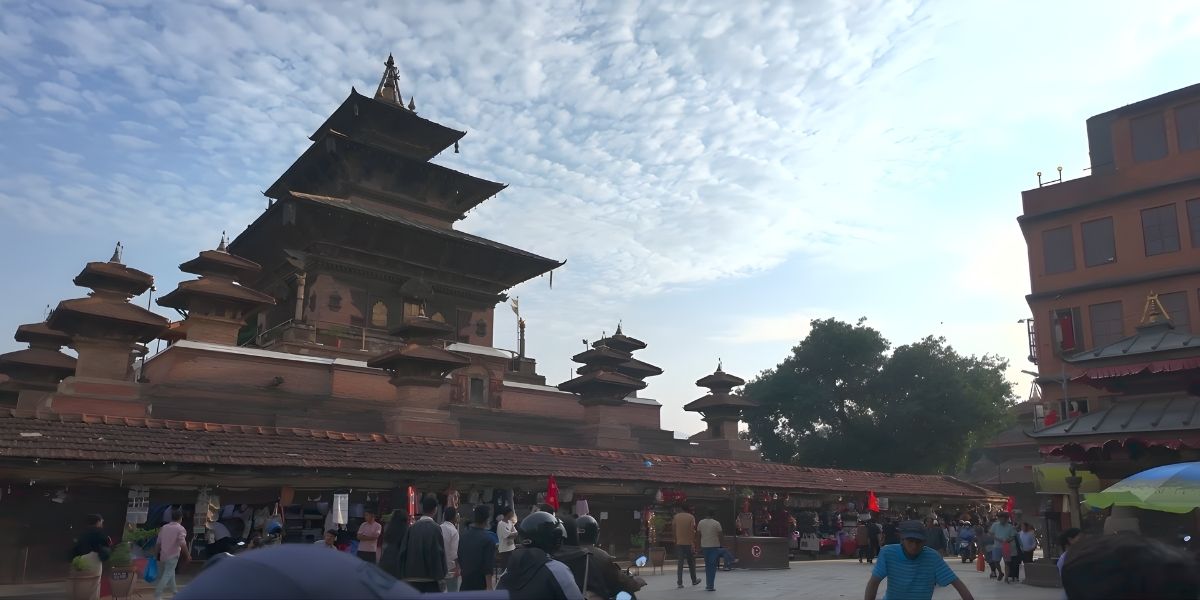
Kathmandu is a city where there are a lot of old temples, royal palaces, and living traditions with busy streets and trendy cafes. Three days is enough for seeing the cultural side of Kathmandu and is best for people who want to spend a short vacation there.
This Kathmandu itinerary is for people who are visiting Kathmandu for the first time or who don't have a lot of time. It has the most important places to see in Kathmandu, how to get there, and useful travel tips based on popular Kathmandu city tour itineraries.
-2a76eae7-9340-42b4-9da0-7de8641b48e7.jpg)
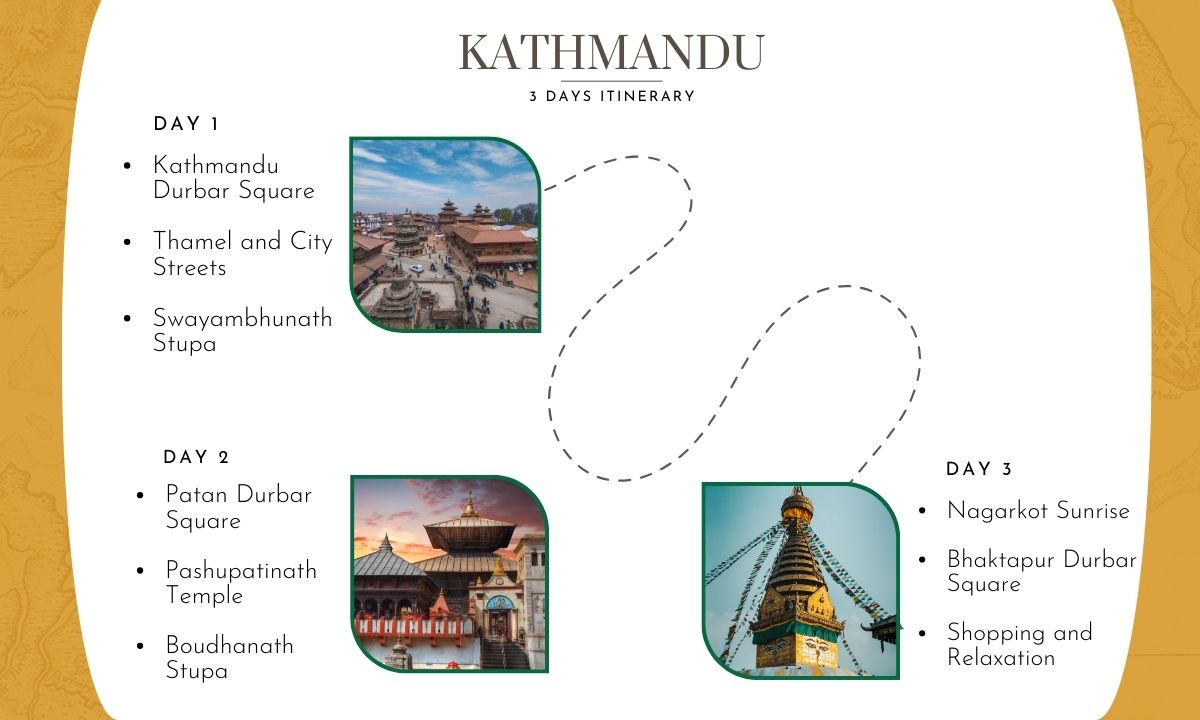
Kathmandu Durbar Square is in the old city and is a good place to start your trip to Kathmandu. This UNESCO World Heritage Site used to be the royal palace of the Malla monarchs. It has courtyards, temples, and old structures. Walking through the square gives an introduction to traditional Newari architecture and the religious life of the city.
This is where many guided tours of Kathmandu start because the neighborhood has a lot of history in a small, walkable space.
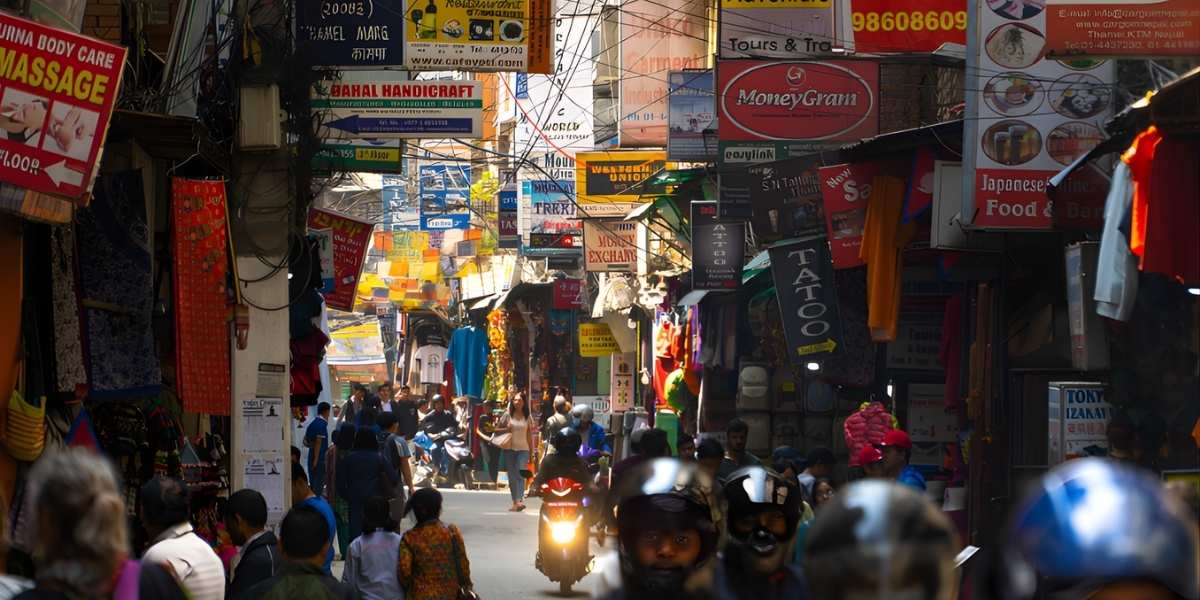
From Durbar Square, go to Thamel, which is the most popular tourist area in Kathmandu. Thamel area is famous for a lot of shops, restaurants, cafes, and bookstores. It can be a very good place to grab lunch and take a leisurely walk.
For travelers who are planning a 3 day trip in Kathmandu, it might be a practical base as there are many tour companies, currency exchanges, and transportation services nearby.
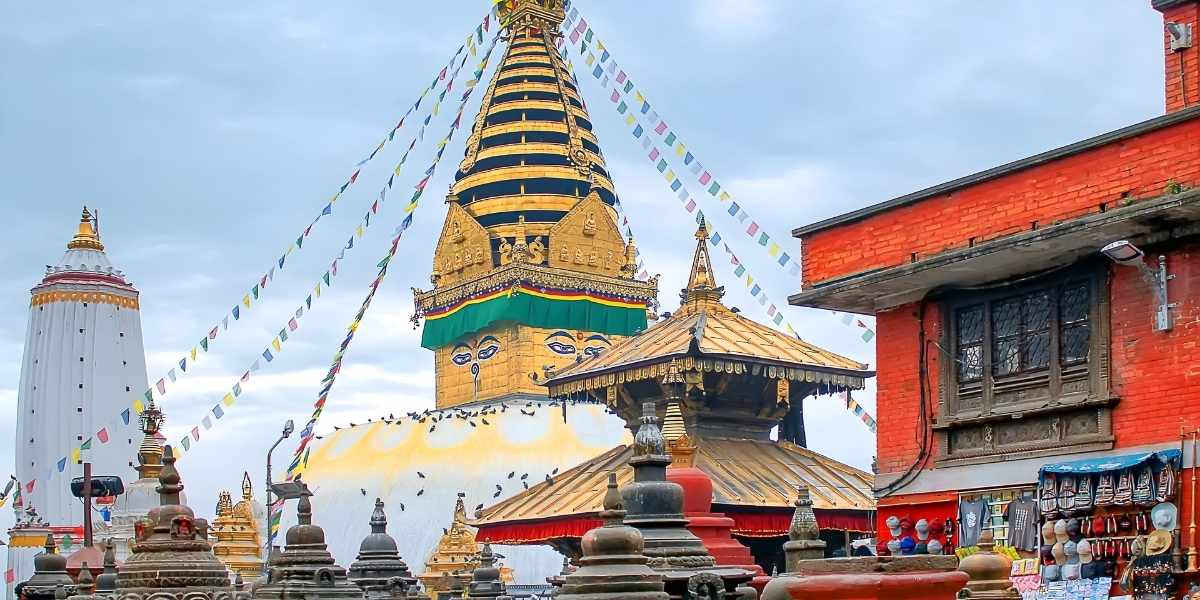
Visit Swayambhunath Stupa, it stands on a top of the Semgu hill that looks over the city. It is recommended to visit the place in late afternoon or early evening, when you can see all of Kathmandu and watch Buddhist prayer ceremonies.
You can get there by car or by climbing stone steps. It is one of the oldest religious stupas in the Kathmandu Valley.
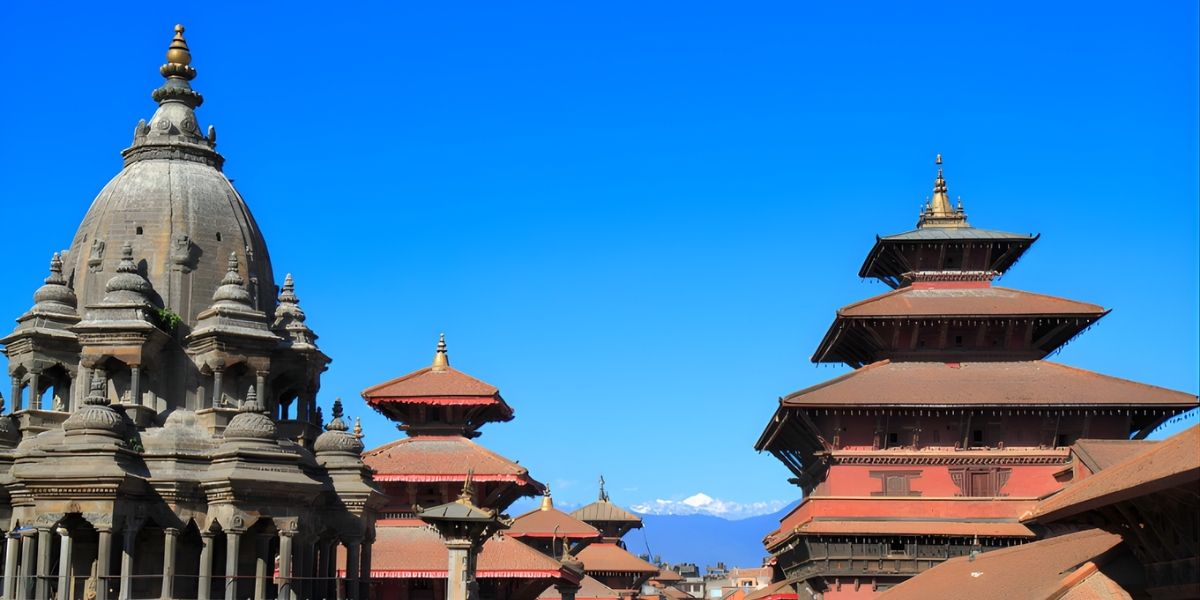
On the second day of your Kathmandu city tour itinerary, go to Patan Durbar Square in Lalitpur which is located in the southern region of Kathmandu city. It is an area with reflection of ancient Newari architecture that includes ancient monuments, stone temples, statues, idols & courtyards.
Patan is often included in organized Kathmandu valley tours because it offers a calmer atmosphere while preserving a rich concentration of historic sites.
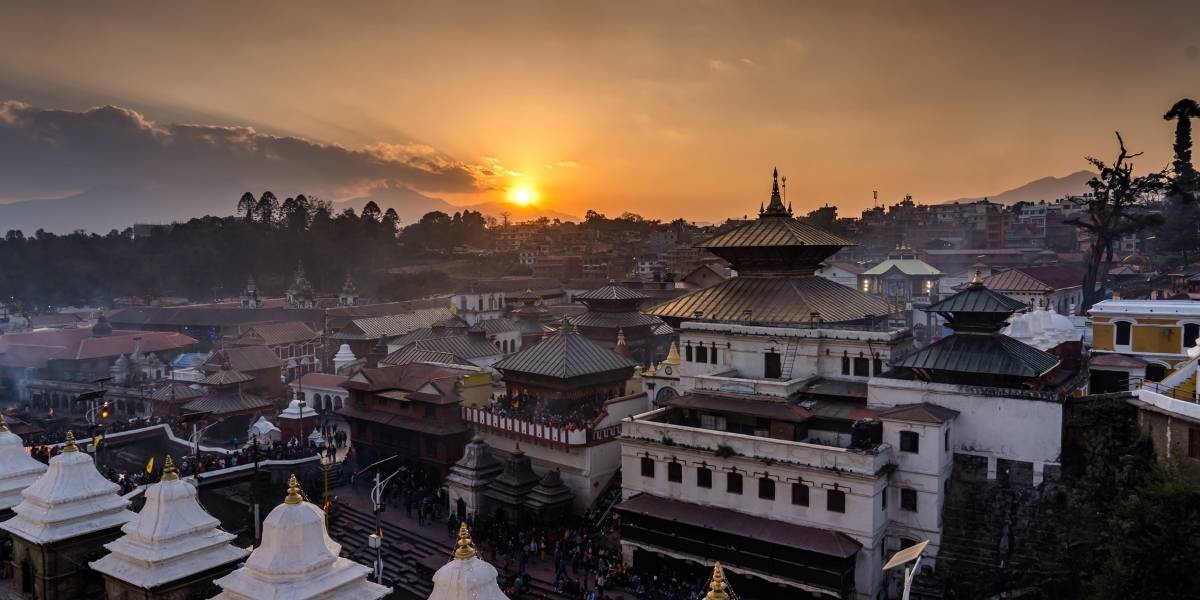
After Patan, continue to Pashupatinath Temple, which is one of the most prominent Hindu temples in Nepal. Located along the Bagmati River, the temple complex is a UNESCO World Heritage Site and a major pilgrimage destination.
Non-Hindu visitors cannot enter the main temple but can observe ceremonies and daily life from the surrounding areas, which provides insight into local religious practices.
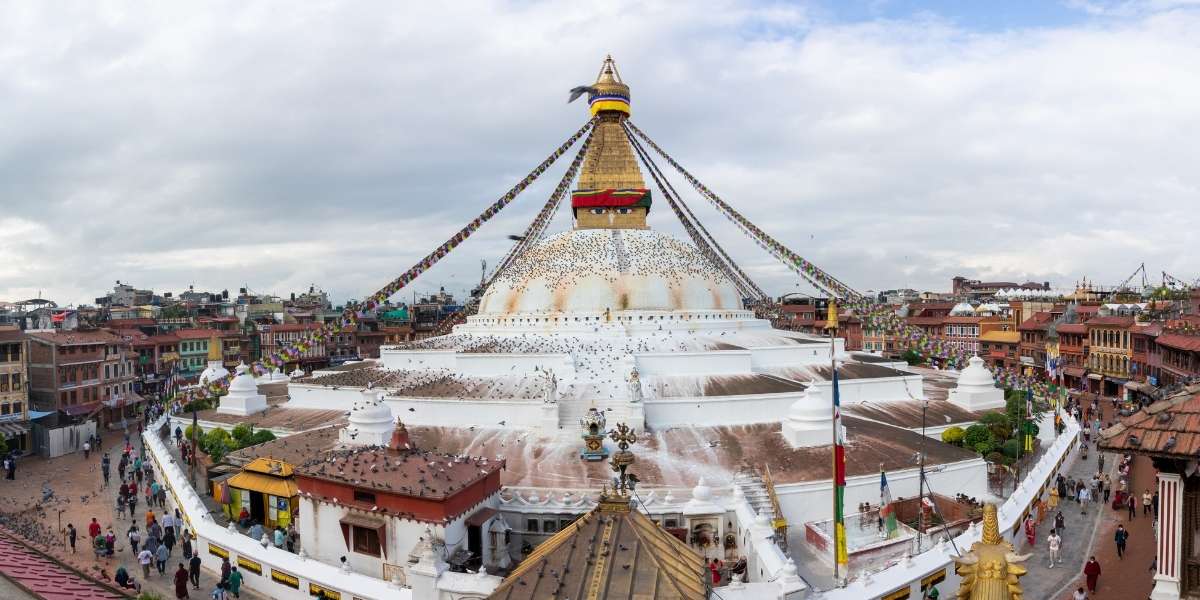
End the day at Boudhanath Stupa, which is also one of the largest Buddhist stupas in the world. The stupa is surrounded by monasteries, prayer wheels, and cafes. It is a peaceful place to walk and observe evening prayers.
Boudhanath is a regular stop on most Kathmandu sightseeing places lists due to its cultural and spiritual importance.
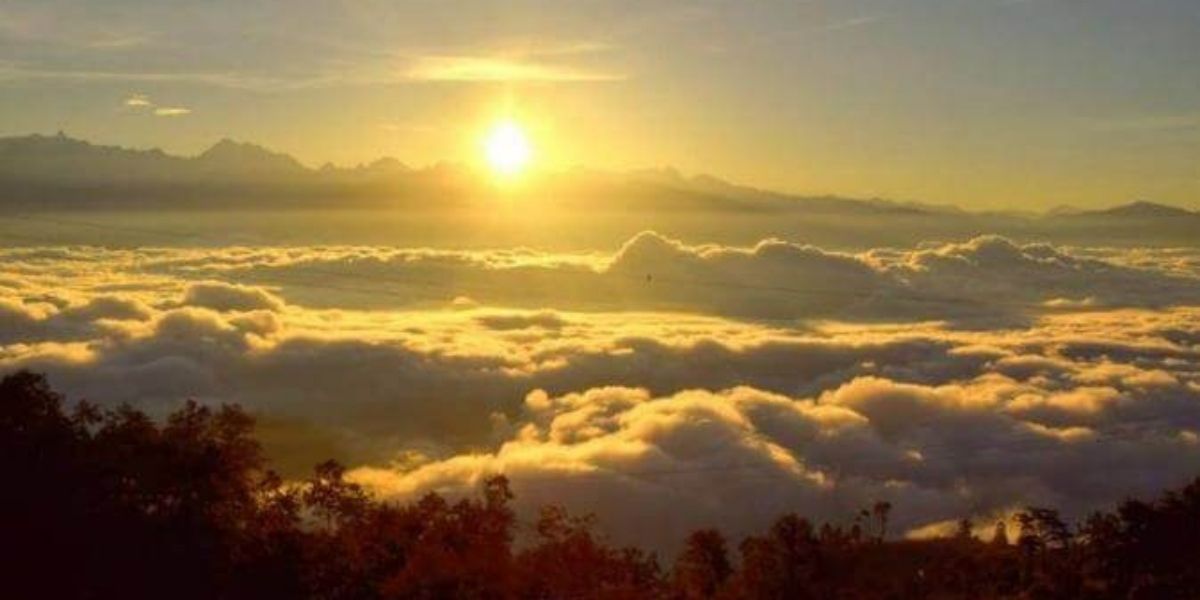
If time and energy allow, an early morning trip to Nagarkot offers views of the Himalayan range on clear days. Nagarkot is located east of Kathmandu and is commonly added as an optional extension to a 3 days trip in Kathmandu.
Because weather conditions vary, this stop is best treated as optional rather than guaranteed.
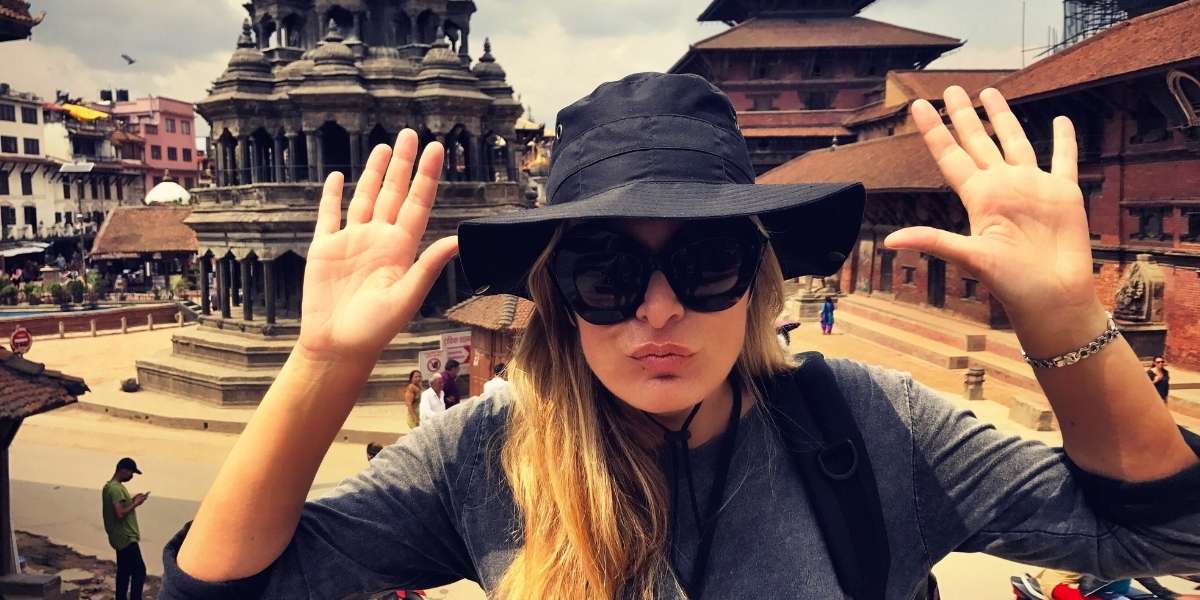
Bhaktapur Durbar Square, which is further east in the Kathmandu Valley, is another optional stop. Bhaktapur is known for its preserved medieval layout, temples, and pottery squares. Visitors who prefer a slower pace can skip Bhaktapur and instead enjoy more time within Kathmandu city.

Spend your final afternoon revisiting Thamel or exploring quieter streets for souvenirs, local food, or cafes. This free time lets travelers relax after two full days of sightseeing.
Staying near major roads or tourist districts helps manage travel time in Kathmandu, where traffic conditions can vary throughout the day.
Most travelers use taxis or hired cars to move between sightseeing locations. Walking is common in Thamel and around Durbar Squares. While there is no official government-run free tour Kathmandu program, some hostels and travel communities organize informal walking meet-ups.
Spring (March–May) and autumn (September–November) are widely considered favorable seasons due to clearer weather and cultural festivals. Winter mornings can be cold, and summer monsoon months bring rain.
Many heritage sites charge entrance fees, which may vary for international visitors. Dress modestly at temples and respect local customs, especially around religious ceremonies.
This three day Kathmandu itinerary offers a balanced approach to culture, history, and practical travel within a short timeframe. Whether you are planning a focused Kathmandu city tour itinerary or a relaxed holiday in Kathmandu, three days allows you to experience the city’s essential highlights without rushing.
With thoughtful planning and choosing a central place to stay in Kathmandu such as Hotel Marcopolo, Kathmandu can be explored comfortably while leaving room for personal discovery.